
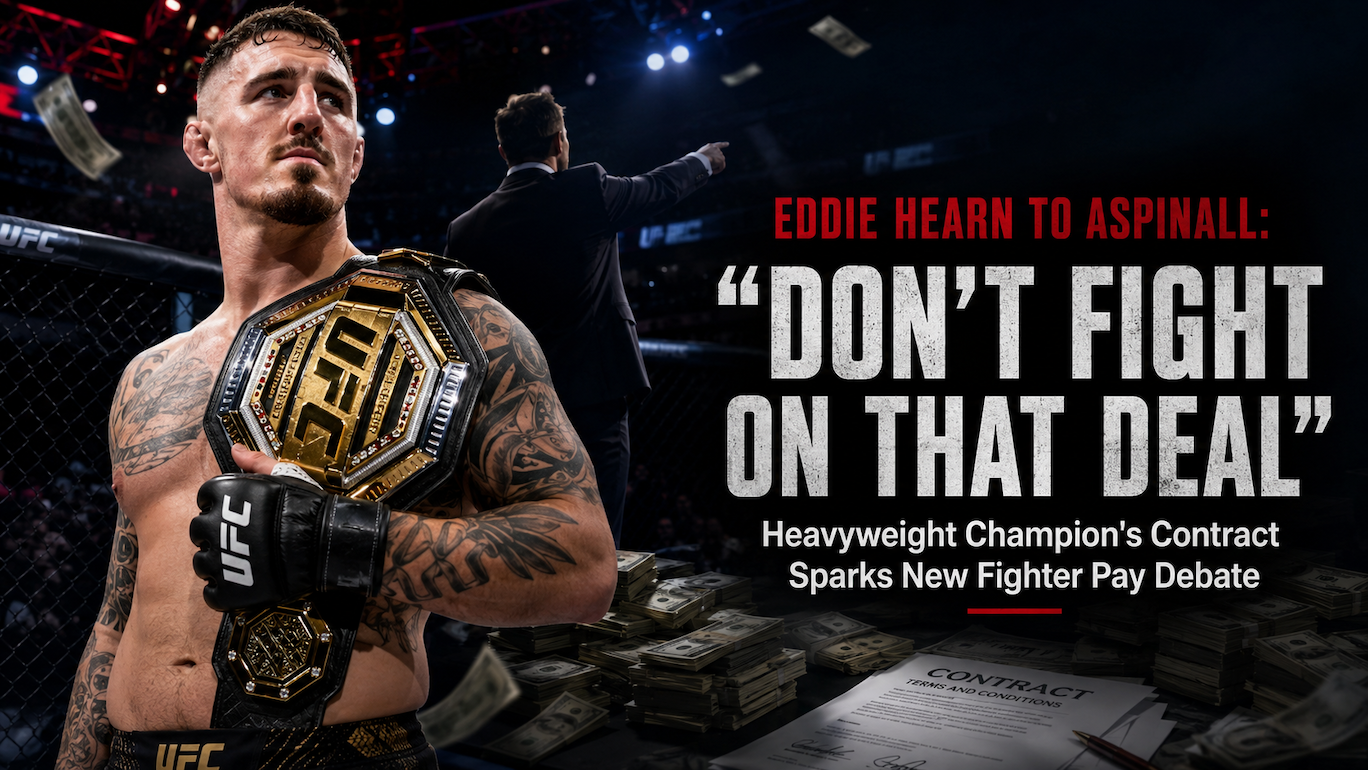
Tom Aspinall is finally hearing something many MMA fans have been saying for years: elite fighters are worth far more than the UFC is willing to pay them.
The latest voice to make that argument isn’t a disgruntled former champion or an outspoken analyst. It’s boxing promoter Eddie Hearn, who recently revealed that he would not allow Aspinall to continue fighting under his current UFC deal if he were managing the heavyweight star. According to Hearn, Aspinall is tied to a contract that dramatically undervalues one of the best heavyweights in the world, and he believes the UFC champion deserves substantially more money than he’s currently earning.
While Hearn’s comments may sound provocative, they resonate because of everything Aspinall has endured over the past several years.
A Champion Forced to Wait
Few fighters in UFC history have been treated as strangely as Aspinall.
After capturing the interim heavyweight title in 2023, Aspinall found himself trapped in limbo while the UFC prioritized Jon Jones’ schedule. Instead of immediately booking a title unification bout, the promotion allowed the heavyweight division to remain stalled for months. Aspinall repeatedly expressed frustration with the situation, admitting that waiting for Jones had become mentally difficult and that he had spent nearly a year inactive with no clear direction from the promotion.
At one point, Aspinall openly stated that he had “had enough” of waiting and wanted to move forward with his career rather than remain hostage to a fight that seemed perpetually out of reach.
The situation exposed a recurring UFC problem. The company frequently promotes itself as a meritocracy, but star power and promotional priorities often outweigh competitive fairness. Aspinall did everything asked of him. He won fights, claimed an interim championship, defended it, and remained ready to face the undisputed champion. Yet he spent much of his prime sitting on the sidelines.
The Francis Ngannou Comparison
It’s impossible to discuss Aspinall’s contract situation without remembering Francis Ngannou.
Ngannou walked away from the UFC heavyweight title because he believed he was being underpaid and overly restricted by his contract. Many critics dismissed his concerns at the time. Then Ngannou left, signed lucrative boxing deals, fought Tyson Fury and Anthony Joshua, and reportedly earned more money in a handful of fights than he made during his entire UFC championship run.
Now Aspinall appears to be facing similar questions.
If one of the best heavyweights on the planet can become heavyweight champion and still have a major promoter publicly describing his contract as “grossly underpaid,” it raises uncomfortable questions about how the UFC compensates its athletes.
UFC Revenue Keeps Growing While Fighters Fight for a Small Slice
The UFC has never been more successful. The promotion sells out arenas around the world, secures massive media deals, and generates hundreds of millions of dollars annually.
Yet fighter pay remains one of the sport’s most controversial issues.
Unlike major team sports, where athletes receive a significant share of league revenue, UFC fighters typically receive a far smaller percentage of the company’s overall earnings. The result is a system where champions can become global stars while earning a fraction of what athletes at a comparable level make in boxing.
That disparity is exactly what Hearn appears to be targeting.
Coming from boxing, where top fighters often negotiate purses on an event-by-event basis, Hearn sees a heavyweight champion with enormous market value and believes that value is not being reflected in his UFC paycheck.
A Strained Relationship?
Neither Aspinall nor the UFC have publicly declared war on one another, but there have been signs of tension.
The prolonged Jon Jones saga frustrated Aspinall. The uncertainty surrounding title opportunities frustrated Aspinall. The inactivity frustrated Aspinall. And now discussions about his contract are taking place in public rather than behind closed doors.
That is rarely a sign of a healthy relationship between a fighter and a promotion.
Even when Aspinall tried to remain diplomatic, his comments often reflected a champion who felt stuck rather than empowered. For a fighter entering his athletic prime, losing years waiting on business decisions can be as damaging as losing fights.
The Bigger Picture
Eddie Hearn’s remarks are ultimately about more than Tom Aspinall.
They’re about a longstanding debate over how much value UFC fighters create versus how much value they receive.
When a heavyweight champion can spend months or years waiting for opportunities, while outside promoters claim they could immediately pay him multiple times more than his current deal, it becomes difficult to argue that the market is working efficiently for the athlete.
Aspinall remains one of the most talented heavyweights in combat sports. The question is whether the UFC will eventually compensate him like one.
If not, Hearn’s comments may end up being remembered as more than just a headline. They could become the latest chapter in the ongoing story of elite fighters realizing that their biggest opponent isn’t standing across the cage…it’s the contract sitting on the table.

Latest from the blog
Tuesday, 20th Oct, 2026
Bitcoin Fixes Broken Money: Why I Believe Bitcoin Is the Future of Financial Freedom

PFL Chicago Results: Jena Bishop Defeats Liz Carmouche to Become Inaugural Women’s Flyweight World Champion

UFC Edmonton Results: Mike Malott Scores Stunning Knockout of Joaquin Buckley at UFC Fight Night 291

Best Chinatown Food Tour in NYC: Cris Cyborg Explores New York City’s Hidden Food Gems

Liz Carmouche Shaves Head to Make Weight for PFL Chicago Championship Fight Against Jena Bishop
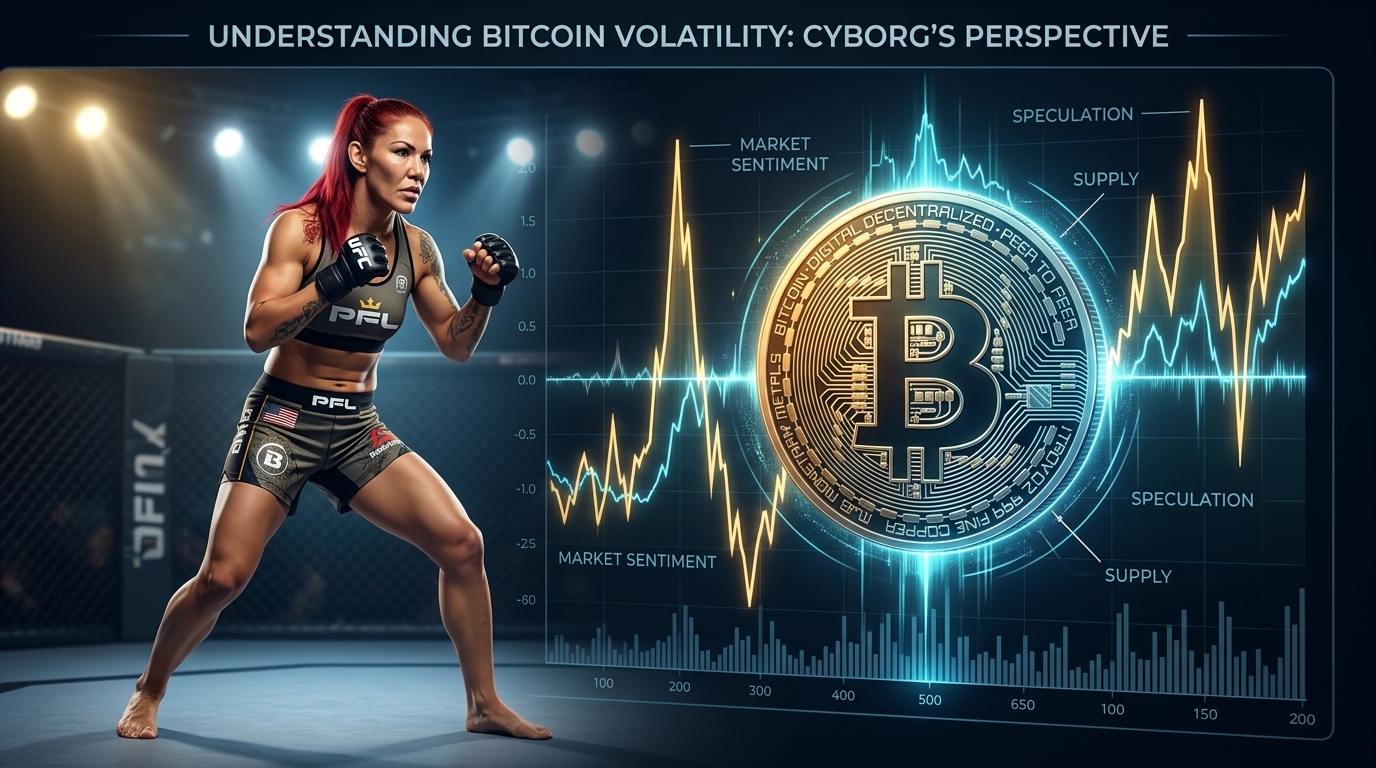
Cris Cyborg on Bitcoin Volatility: Understanding Why Bitcoin Prices Rise and Fall
You might also like
Saturday, 2nd Jul, 2016
IT’S TIME! Tonight 4PM Santa Ana #Yost Theatre GIRL FIGHTS!!
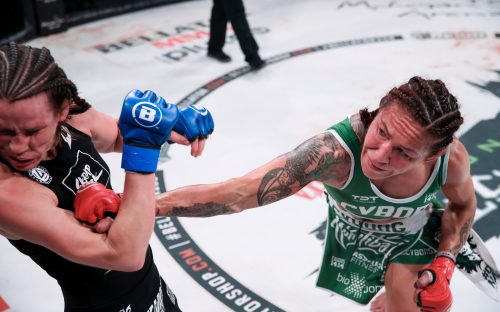
Cris Cyborg and Cat Zingano both pass random out of competition drug tests ahead of expected showdown
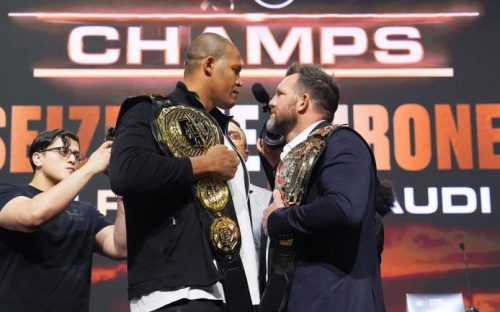
Francis Ngannou announces he will fight winner of PFL x Bellator MMA Heavyweight Champion fight
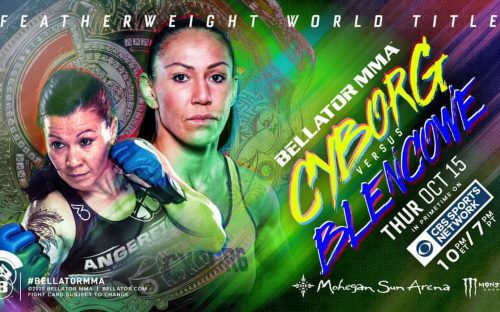
Video| Bellator 249 Preliminary fights LIVE
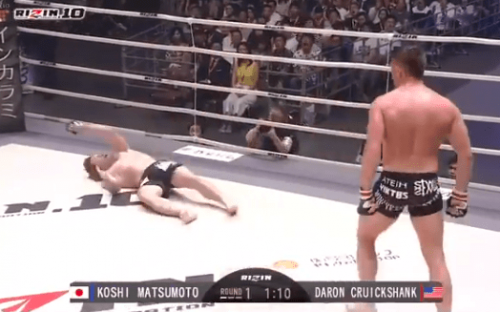
VIDEO| Daron Cruickshank KO’s a man in Japan then flips him off